Institute Guiding Priorities
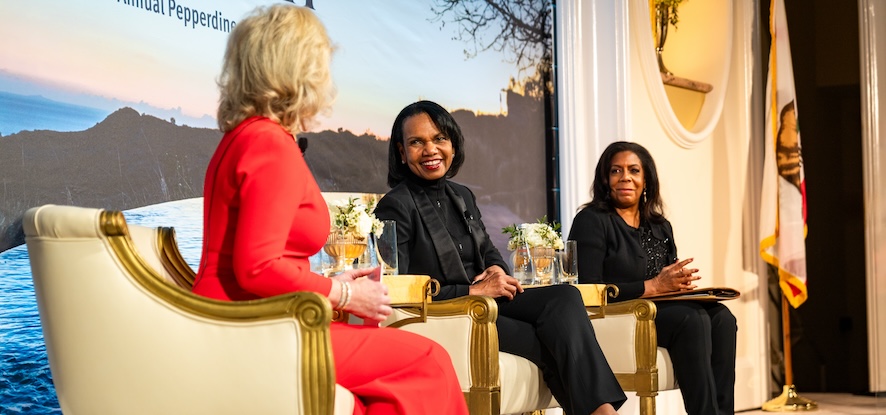
Each of these pillars of the Institute for Diplomacy, Security, and Innovation connects
a commitment to freedom with concrete strategy. Through international conferences,
seminar series, research initiatives, and strategic external partnerships, the institute
translates these enduring principles into real-world policy impact.
The New Geography
The Atlantic Strategy
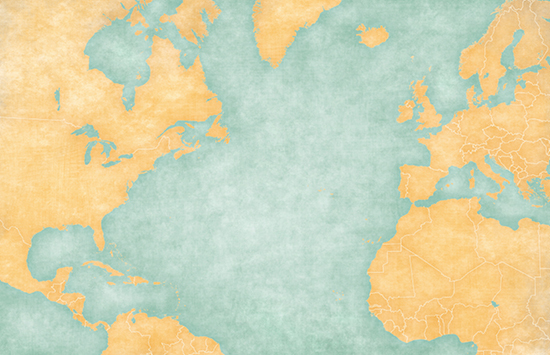
Due to rapidly shifting global political dynamics and the implications of NATO's uncertain future, nations around the world are reassessing the Atlantic relationship—the political, economic, military, and cultural connections among countries in Europe, North America, South America, and the African continent that border the Atlantic Ocean. The Institute for Diplomacy, Security, and Innovation contributes to rethinking this relationship through scholarship, discourse, and convenings at Pepperdine campuses throughout the Atlantic world. These gatherings are designed to generate ideas and strategies that address today's security challenges while advancing a more ethical and values-driven international order.
The Free and Open Indo-Pacific
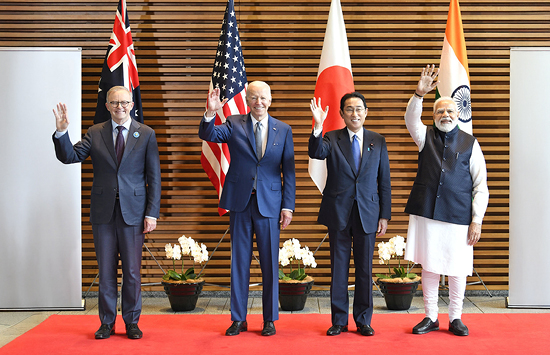
Originally composed of Australia, India, Japan, and the United States, the Indo-Pacific Quad represents a 21st century framework for a free and open Indo-Pacific region that is a compelling counter to China's influence. Building upon existing international forums and partnerships while not creating new multilateral organizations, the free and open concept is expanding to other nations seeking to enhance respect for international law, economic openness, regional cooperation, and development and is seen as key to peace, stability, and prosperity.
The Three Seas Initiative
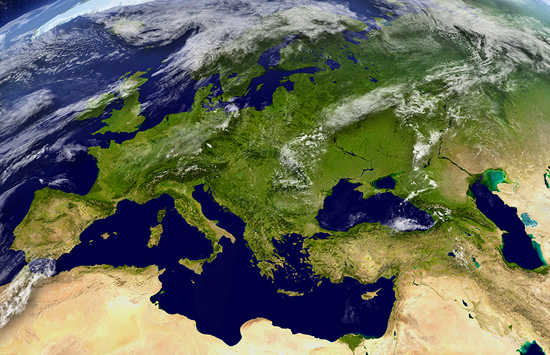
Launched in 2015 as a joint Central European project and supported by the United States, the goal of this effort is regional development initiatives that would operate on commercial terms and redress the region's chronic infrastructure shortcomings to establish a new belt of growth and prosperity from the Baltic to the Adriatic and Black Seas. These initiatives will, consequently, enhance security and contribute to energy security, supply chain resilience, and digital connectivity.
The Middle Corridor
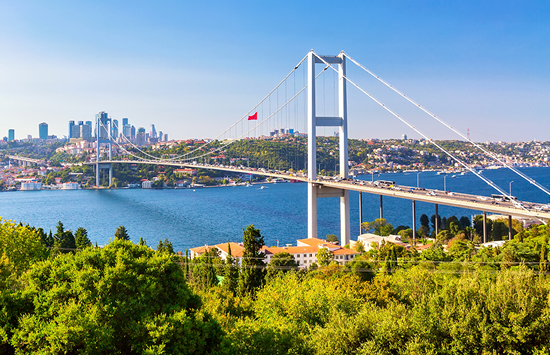
The goal of this effort is to establish a robust supply and productivity corridor linking Central Asia and the South Caucuses to global markets through a "Free and Open" Black Sea. A high-functioning Middle Corridor would give the whole of Europe and the transatlantic community more resilient and diversified supply chains and measurably contribute to regional stability and prosperity.

The Free and Open Mediterranean
Trusted and resilient connectivity between the free and open spaces of the Indo-Pacific and the Mediterranean-Atlantic (Med-Atlantic) regions, from the Pacific Islands to the Caribbean, will immeasurably contribute to US interests as well as regional security, stability, and prosperity. This is the way to connect the globe after the failed project of "globalization" that sought to impose a global order robbing nations of their national sovereignty and strategic autonomy. A free and open Mediterranean not only benefits the transatlantic community and is a critical bridge to Indo-Pacific partners, but it also represents a critical opportunity to engage in partnership with nations in West, North, and East Africa.

The Abraham Accords
Normalizing relations between Israel and the Arab nations offers an unprecedented opportunity to create economic, security, political, and diplomatic partnerships. The accords include projects such as IMEC (the India-Middle East-Europe Economic Corridor), which will make the region a hub of global growth and more robust, redundant, and resilient global supply chains.

The Free North
Only the nations with sovereignty over the territory in the High North should take the lead in managing the future of this space. Together the Baltic and Nordic countries, Iceland, Canada, the United States, along with the territories of the Faroe Islands and Greenland have a shared interest in working together to ensure the region remains free, open, and secure from external malicious influence and action.