Byron Johnson Explores the Myth of Declining Faith in New Book "The Death of Religion?"
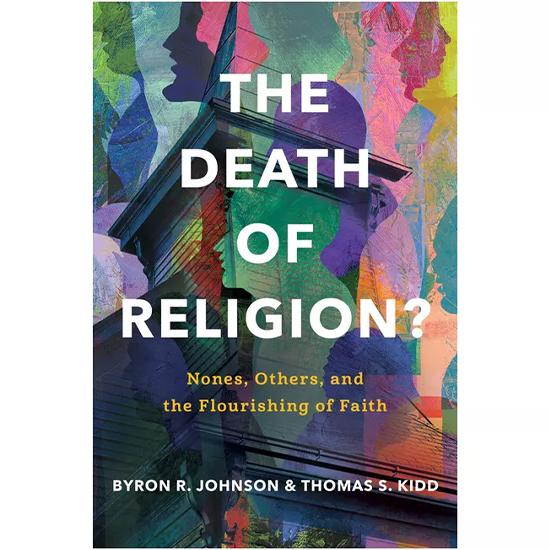
Byron Johnson, Visiting Distinguished Professor in the School of Public Policy, and Thomas Kidd, research professor of church history at Midwestern Baptist Theological Seminary, recently published The Death of Religion?: Nones, Others, and the Flourishing of Faith. As headlines proclaim an increasing shift away from faith, the authors asked: Is religion truly declining across America and around the globe? Their book reveals a far more nuanced reality than the one offered by the media.
 Byron Johnson
Drawing on recent findings from the Global Flourishing Study—a multiyear initiative examining human and societal well-being—Johnson and Kidd contend that claims of widespread religious decline are overstated. They argue that conventional survey data often overlooks key subtleties in respondents’ statements, resulting in conclusions that misrepresent the truth.Their research demonstrates that faith remains resilient and deeply influential, continuing to strengthen communities and foster individual wellness.
In The Death of Religion?, the authors stress consistent links between active faith practice and positive health outcomes, particularly as loneliness and mental health struggles rise nationwide. Their evidence shows that individuals engaged in faith communities report stronger social networks, higher life satisfaction, and greater overall flourishing. Crucially, the book uncovers an intriguing trend: religiously active young adults in the United States flourish at higher rates than their nonreligious peers. Johnson and Kidd frame this finding as a compelling counternarrative to prevailing assumptions about younger generations, illustrating how faith serves as a stabilizing force in today's fragmented cultural landscape.
“While there has been a trending narrative that religion and faith are declining, our research reveals a much more resilient reality," explained Johnson. "Drawing on data from many sources, including research findings from the Global Flourishing Study, we demonstrate that active faith practice remains a profound catalyst for human well-being." He added, "It is vital to share these findings because they illuminate how religion continues to be a powerful force for enhancing human well-being by helping people find meaning and purpose, character and virtue, hope, and close social relationships.”
Johnson is a leading scholar of human flourishing whose research explores how faith, community, and purpose can shape lives and strengthen communities. His work includes a landmark multiyear study of the New Orleans Baptist Theological Seminary program at Louisiana State Penitentiary in Angola, Louisiana, examining how faith-based education and inmate-led ministry influenced the daily lives and well-being of incarcerated individuals.
Learn more about Johnson and his work at the Center for Faith and Common Good.
SUBSCRIBE TO THE WAVELENGTH
Pepperdine Newsroom's official newsletter for campus updates and top news.
Subscribe