Pepperdine's Weisman Museum Presents Modern Movement in A Modern Look: Selections from the Permanent Collection
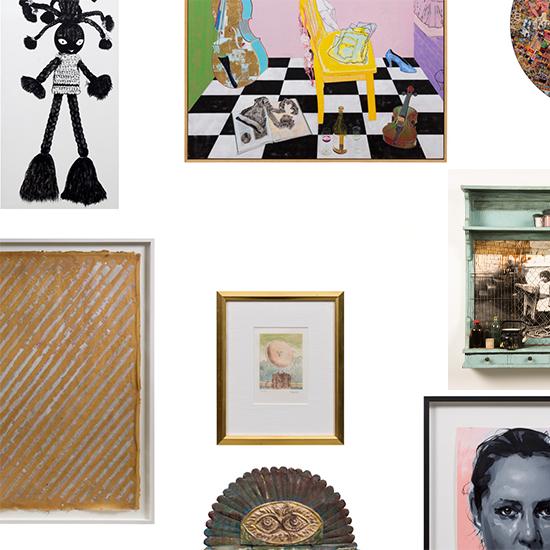
When visitors step into Pepperdine’s Frederick R. Weisman Museum of Art's latest exhibition, they enter a story about how modern art inspires us to see differently. The museum’s newest show, A Modern Look: Selections from the Permanent Collection, draws from Pepperdine’s own permanent collection and unfolds across three distinct gallery spaces: an intimate “hall of fame” of modern masters, a vast room of emotionally charged large‑scale works, and an upper level of tactile sculpture, found objects, and optical experiments. Together, these rooms reveal the many faces of modernism and the significance of diverse expression.
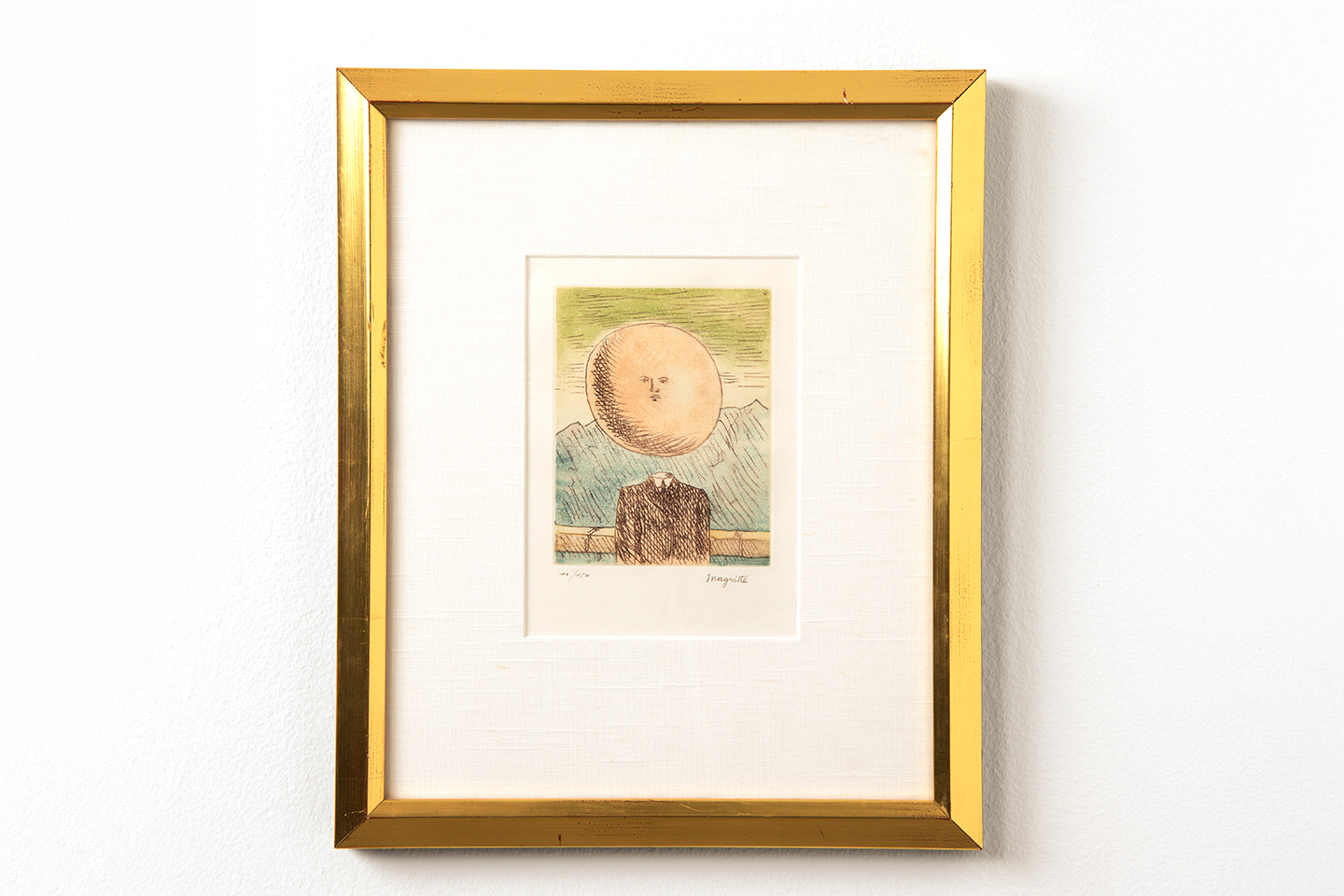
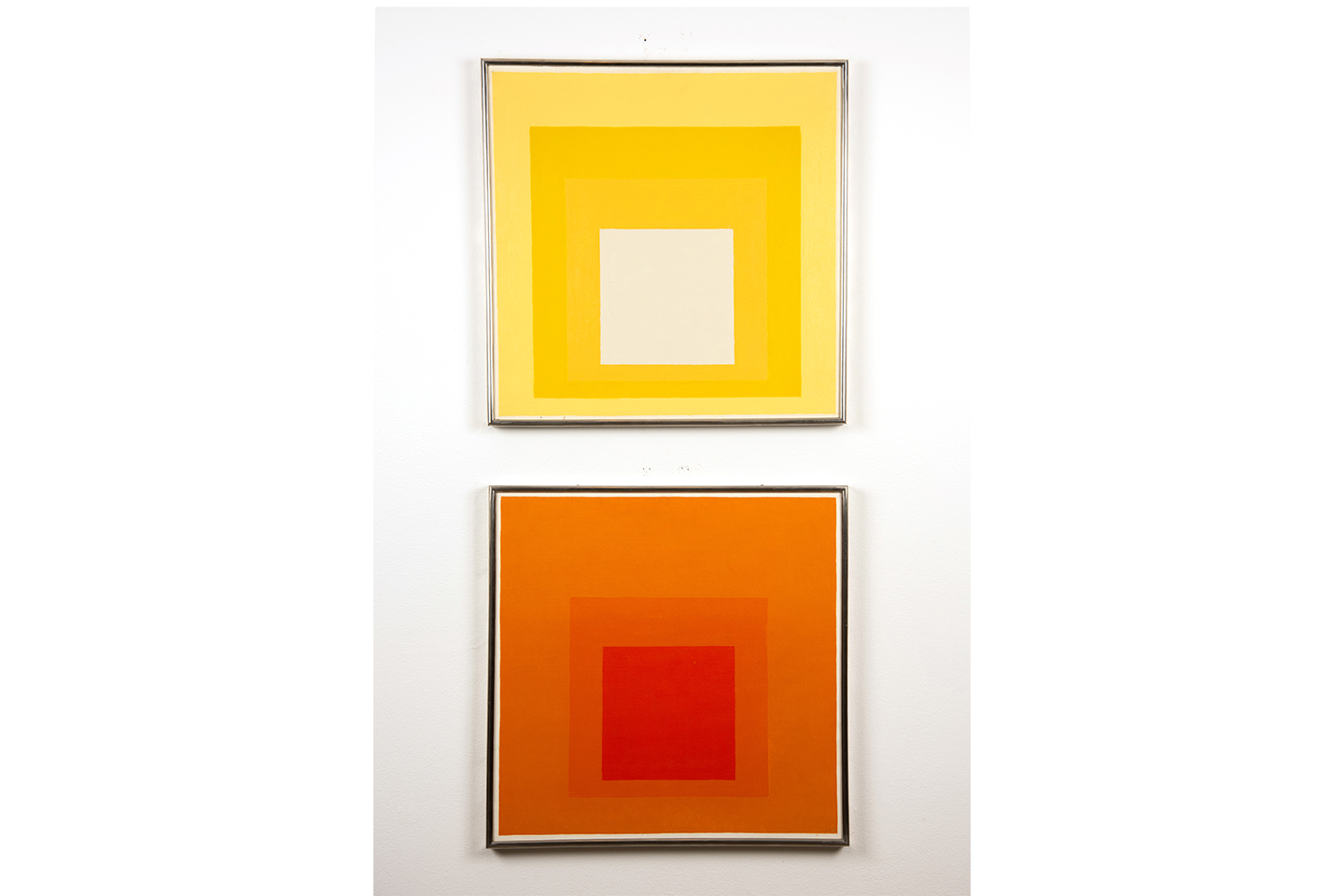
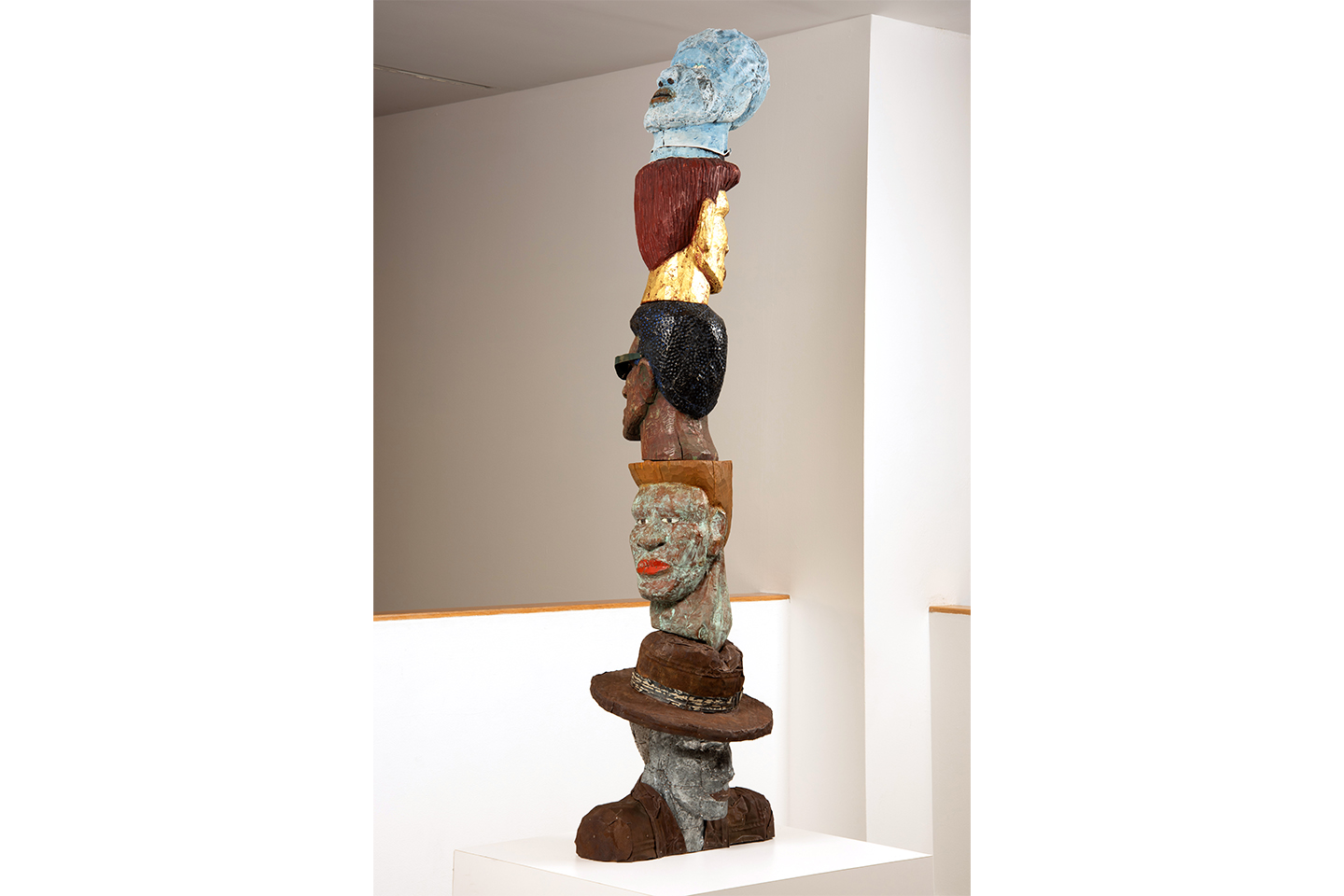
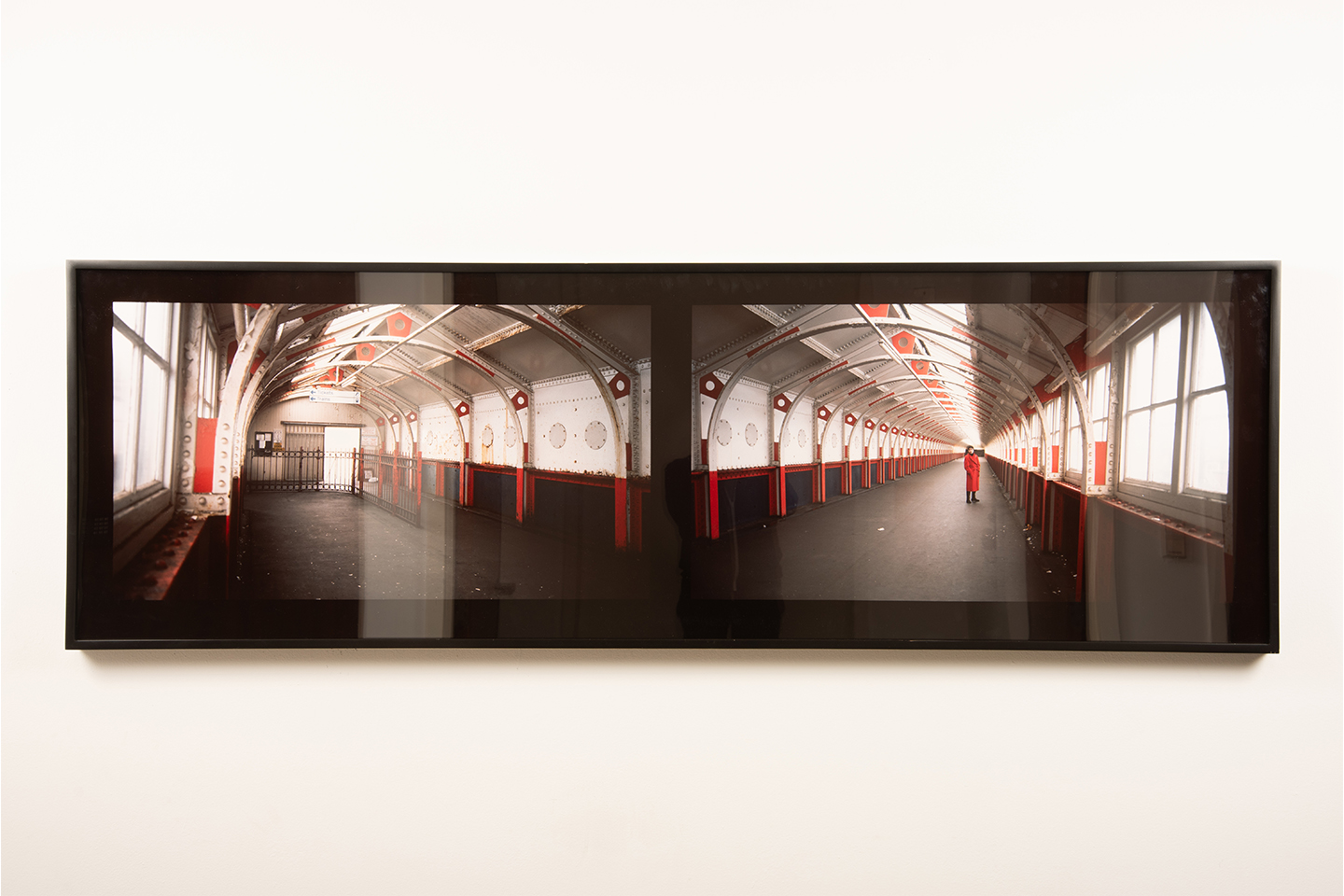
According to Mark Roosa, Pepperdine's dean of libraries and interim director of the Weisman Museum, the exhibition underscores the enduring value of modern art as a prompt to experiment, challenging both the artist and observer to think creatively as well as more deeply.
“The modern period was all about experimentation, and I think that’s something that’s imperative to an artist's growth and success," shares Roosa. "As humans, we should always be striving to think creatively, and art can serve as a tool for encouraging innovative problem solving and original thinking.”
When it came to deciding on the theme for his first exhibition as interim director, Roosa explains that his focus on modern art came directly from what he found in Pepperdine’s own collection. After familiarizing himself with the pieces and artists, Roosa curated the show to highlight the main “streams” represented in the collection, such as cubism, abstraction, surrealism, late‑modern realism, commercial/consumer art, found art, and optical/minimalist work. Within this context, he selected pieces that he believed “spoke to each other” and to the spaces.
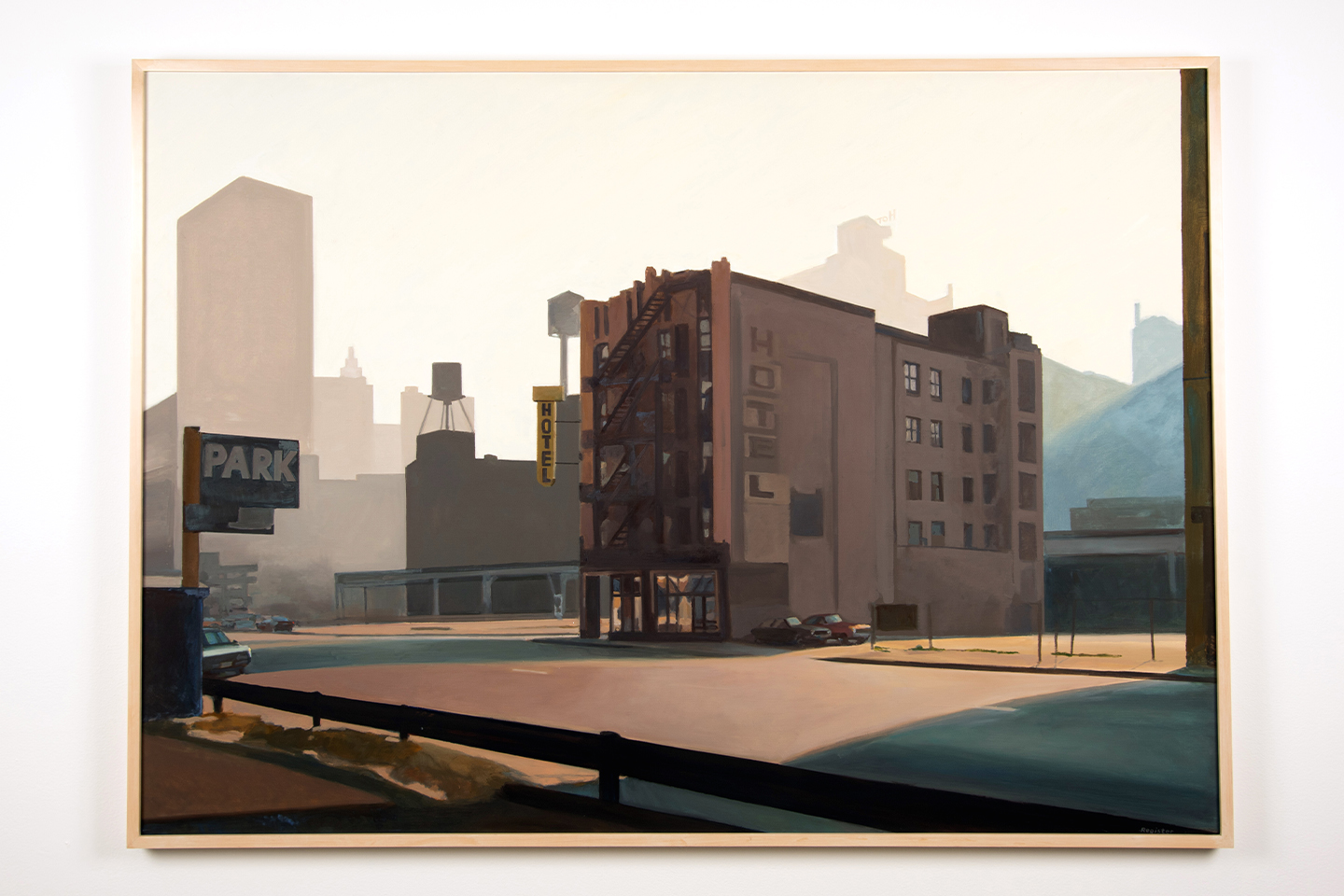
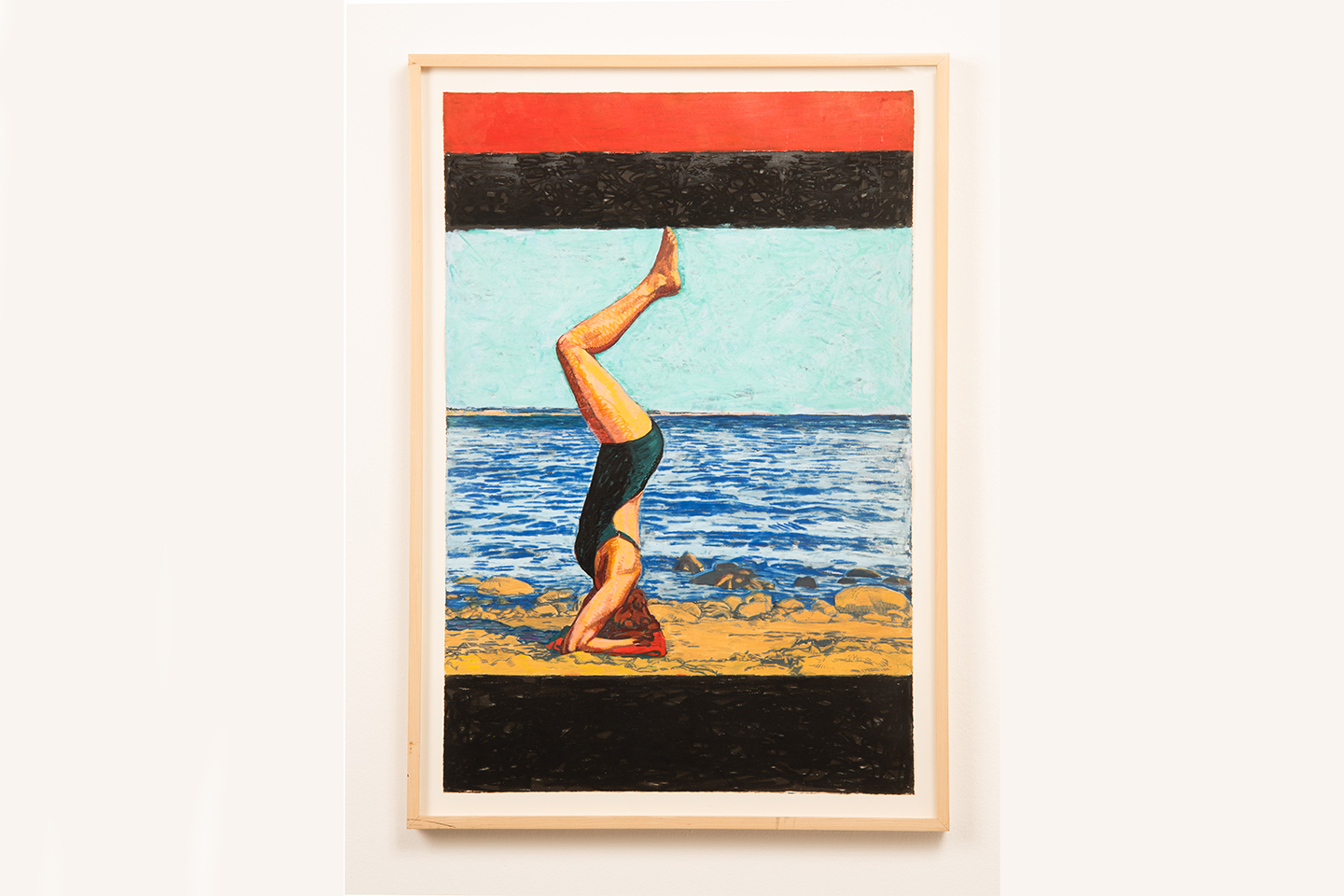
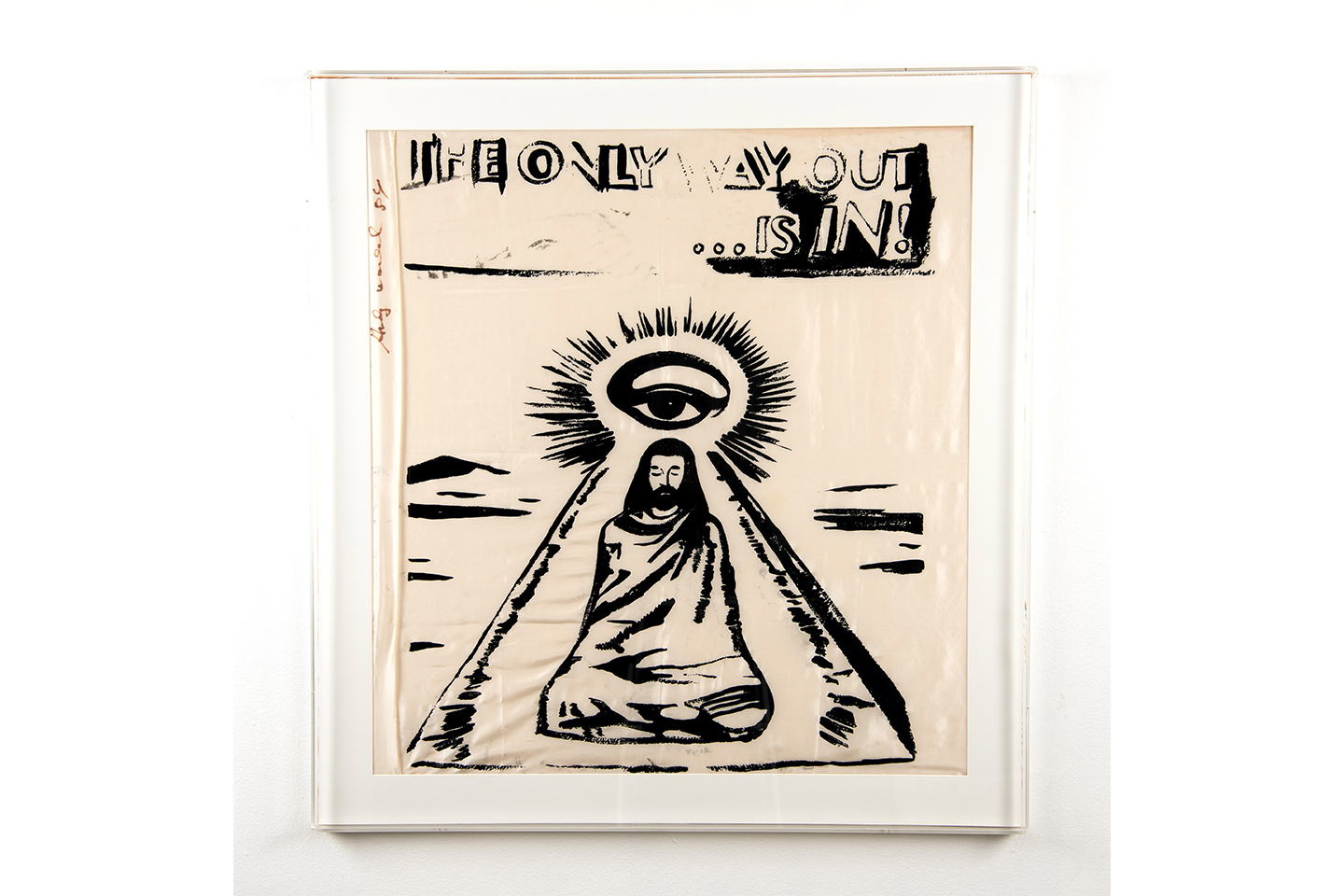
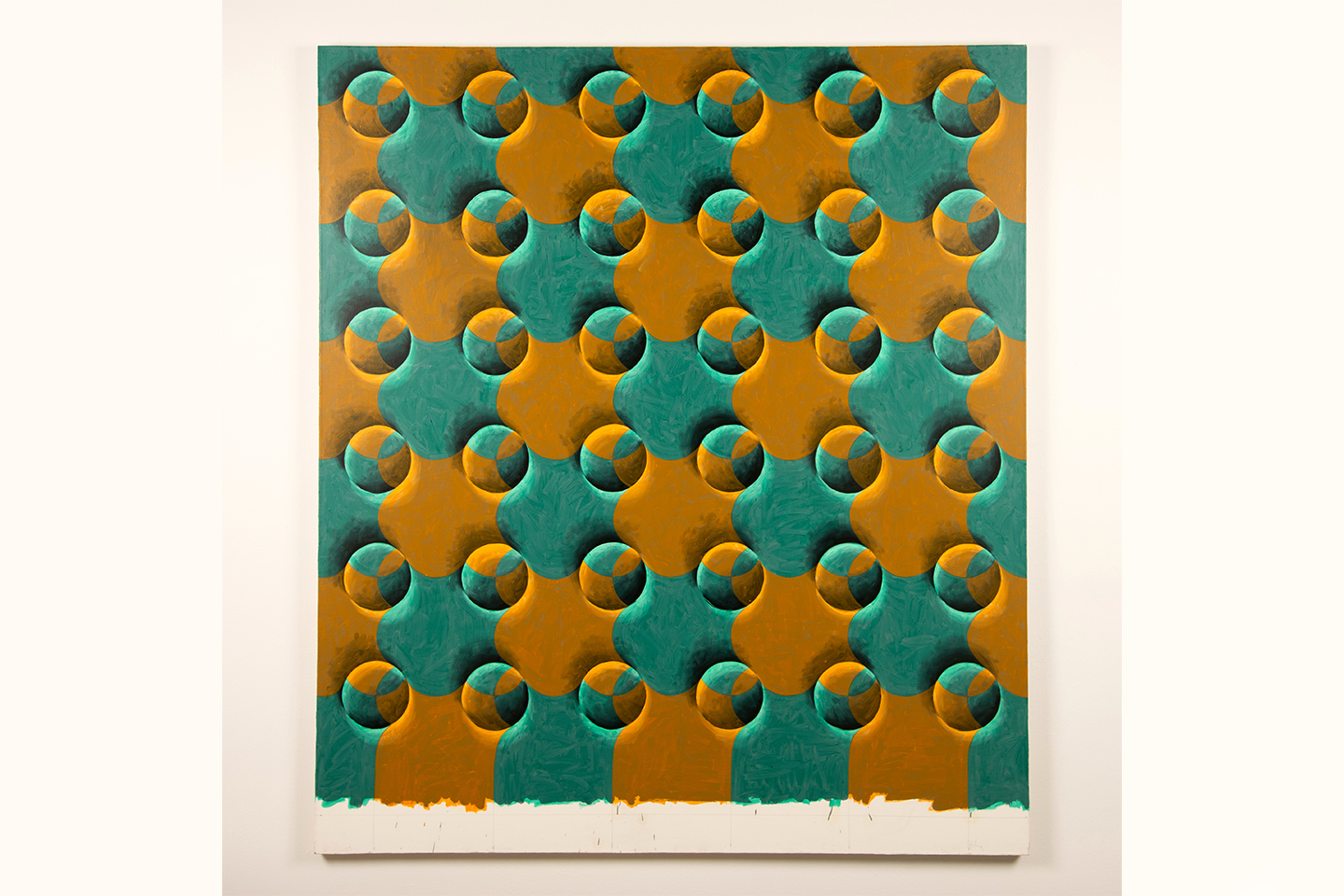
The exhibition is also structured as a teaching and research tool. Roosa describes it as an “appetizer” for deeper thinking about modernism—showing that modern is not just one style but many different, sometimes conflicting, expressions. He and the library team created bibliographic citations for each piece: one about the artist, one about the specific work, and one about the period. These citations are available in the Bloomberg app so students can click on an artwork and be led to scholarly resources via the library.
”We hope visitors leave with a more comprehensive understanding of the modernist period, recognizing its multifaceted nature. This exhibition is intended to serve as a starting point for future contemplation of the modernist movement." Roosa adds, "Our goal goes beyond simply appreciating the collection; we aim to foster dialogue among faculty and students and inspire art students through the works of these master artists."
Roosa was delighted with the opportunity to apply his formal education and to work with the museum team to "excavate" the collection and construct a coherent narrative.
"It was incredibly rewarding to formally reengage with that part of my life—to revive my interest in art and visual arts, especially in the modernist period, was a thrilling challenge,” says Roosa. “Working collaboratively with the team at the Weisman Museum and to decide how to tell the story of what we have and make it fit into this modern moment was really satisfying.”
Looking ahead, the exhibition marks the beginning of Roosa’s vision to reveal the full scope and significance of Pepperdine’s art collection. With more than 500 works in the University’s holdings, Roosa hopes to thoughtfully reintroduce visitors to the depth and diversity of the collection while expanding the museum’s engagement with the campus community. By partnering with Pepperdine Libraries, the museum also aims to create opportunities for deeper learning that connect visual art with scholarly inquiry.
“We have incredible pieces in the vault that we haven’t fully explored yet,” Roosa says. “As we begin a comprehensive inventory of our holdings, visitors can look forward to seeing much more of the collection.” He adds, "By pairing each artwork with curated readings accessible through the Bloomberg app, the museum can serve as a gateway to deeper academic study and discovery."
The exhibition is available to the public until March 29, 2026. Visit the Lisa Smith Wengler Center for the Arts website for more information.
SUBSCRIBE TO THE WAVELENGTH
Pepperdine Newsroom's official newsletter for campus updates and top news.
Subscribe