Pepperdine's School of Nursing Founding Dean Angel Coaston Publishes School's First Research Paper
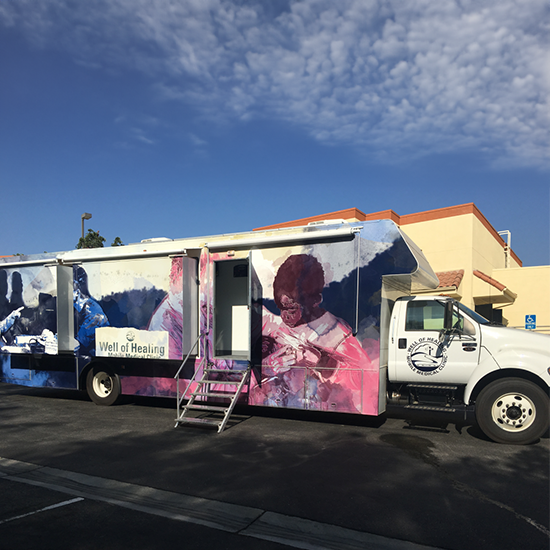
As Dr. Angel Coaston, founding dean of Pepperdine University’s new School of Nursing, celebrates the first research publication associated with the institution, she is reminded of her project’s beginnings. Far from the ivory tower, Coaston’s work started with mobile clinics in church parking lots.
Throughout her time in academia, Coaston served as CEO and clinic administrator at the Well of Healing Mobile Health Clinic in Fontana, California. For more than 20 years, Saturdays at the mobile medical clinic was a place of great need and even greater purpose, filled with urgent moments, crying babies, and a line of patients stretching out the door. Yet within the chaos, there was something deeper: an opportunity to meet people where they were, to serve with intention, and to care for each person with dignity and compassion.
While Coaston herself saw the valuable impact these mobile clinics had on those without the financial means to access traditional healthcare, she knew their services were overlooked by the larger medical community. So, fittingly, as the only PhD in the mobile clinic field, she focused her doctoral research on a study to generate concrete data on their societal impact.
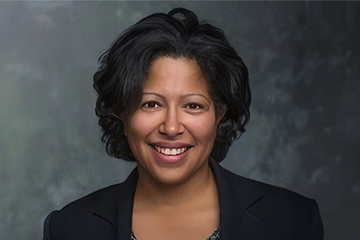 Dean Angel Coaston
Focusing on two chronic diseases widely affecting Americans across the nation—diabetes and hypertension—Coaston sought to see if these improved with regular mobile health clinic visits. After two years of investigation from January 1, 2018 to December 31, 2019, key findings of her study indicated a positive link between clinic visits and the management of hypertension.
Concerning diabetes, however, data indicates that help is needed beyond that provided by doctor visits. Her research reinforces that accessibility to practical habits such as a healthy diet should be made more available to people of financial need.
“Building a new school while continuing to contribute to scholarship that advances access to care and population health is both a privilege and a responsibility,” says Coaston. “I hope for this new research to set an example to our School of Nursing students on how to integrate science with care.”
From the Frontlines of Care
According to Coaston, mobile clinics across the United States serve more than 2.1 million uninsured patients. With this in mind, chronic diseases such as hypertension and diabetes disproportionately affect these adults without access to traditional healthcare, often not available due to financial hardship or homelessness.
“Access to healthcare is an important determinant for overall health,” says Coaston. “These modifiable barriers to access can lead to unmet health needs, delays in receiving appropriate care, and preventable hospital admissions. But with mobile clinics, we've taken away these barriers. All services were free; we never charged anyone.”
Along with her role as founder, CEO, and nurse at Well of Healing Mobile Health Clinic, Coaston acted as lead grant writer. With knowledge of the inner workings of the healthcare system from her experience as an emergency room nurse and university administrator, she garnered the mobile clinic the funds to keep operations running. All patients received a free physical examination by either a physician or a nurse practitioner, free medication, and free lab draws—along with prayer and spiritual care.
“We’ve always cared about the needs of the whole person,” says Coaston. “Since we’ve been doing mobile health ministry for a while now, it's important to have the research evidence to reinforce that we’re making a difference.”
Coaston’s study surveyed a total of 411 adult mobile clinic patients, with 218 identified as regular users. Among these frequent patients, 86 of them had diagnosed Type 2 diabetes. The latter 129 suffered from hypertension. A remaining number of patients had both conditions.
According to Coaston, research subjects were over the age of 26 since many lose eligibility for parental insurance coverage at this time. She further explained that the broad range of ages ensures that the study reflected the full spectrum of patients receiving care rather than limiting the sample to older age groups.
Findings revealed a positive association between mobile clinic visits and hypertension control, she advocates for mobile health clinics to be made available for many more people. Further data spotlights areas for improvement in current care of those with diabetes that extend beyond doctor’s visits. Healthy produce and open spaces for exercise, she maintains, are among a few of the contributors to diabetes control.
“These findings demonstrate that such models of care can have a meaningful and lasting impact on patients’ lives,” adds Coaston. "Conclusions of this research also lead to next questions. Now that we have the data, we have to think, ‘How can we provide underserved communities with diabetes what they need to stay healthy?’”
The Heart of the Matter
As simple as it is, a shining truth emerged from Coaston’s research: care is needed.
Despite the high volume of patients served, the research found that care within the mobile medical clinic remained intentional and holistic. Each patient received focused attention to both medical and spiritual needs. For many without the necessary financial resources, this was their first experience of a provider who was fully present—committed to healing them as cherished human beings rather than moving them quickly through care.
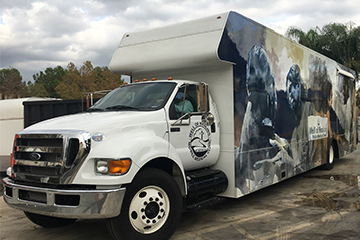 Coaston designed the 41-foot F750 Well of Healing mobile clinic
While working at the Well of Healing Mobile Health Clinic, Coaston’s average workday consisted of seeing many patients. But for years, one woman always stood out. With eyes forlorn and presence meek, she’d quietly pay the clinic a visit, pick up medication, and leave.
Years later, Coaston met this same woman again. The former patient had a vibrant glow in her eyes; she spoke with a magnetic smile. Coaston was taken back. The woman shared that previously, without the money to afford a necessary diagnosis and medication, she thought that “due to her poor health, her life was over.”
But she looked Coaston in the eyes and said, “Now that I’m healthy, I can dream again.” The dream in mention was to open a thrift store—which she was able to successfully accomplish, strong and well because of the free mobile clinic care.
“Compassion grounded in Christ’s teachings is the heart of the matter,” says Coaston. “So that story will always stand out to me. Often we do things without knowing the impact they’re making, even years later.”
Setting the Example for Future Nurses
Henri Nouwen, Dutch priest and theologian, offers a compelling statement on a leader’s vocation, especially one involved in healing. He wrote: “Christian leadership is called a ministry precisely to express that in the service of others new life can be brought about.”
Through the healing of the sick and caring for the broken in spirit, she now seeks to instill these values of nursing to students. The School of Nursing offers a core curriculum that nurtures intellectual and spiritual formation, and with classes in state-of-the-art facilities such as simulation labs, students are given the chance to refine skills necessary for caregiving in the field—following in Coaston’s footsteps.
As Dean for both BSN undergraduate nursing students and entry level master’s in nursing, clinical nurse leader students, Coaston fosters a culture that encourages students to pursue research and scholarship in emerging areas of healthcare. Her example reflects how important questions for study often arise from the everyday work of caring for people.
“I want to support front-runners in research,” says Coaston. “My work in the mobile clinic taught me so much about Jesus and about walking with people, about loving people where they are as God’s image bearer while applying the science of medicine. Our nursing students can make an impact now.”
Visit Research at Pepperdine to learn more about the University’s research endeavors. To read Coaston’s publication in full, please visit the International Journal of Environmental Research and Public Health.
SUBSCRIBE TO THE WAVELENGTH
Pepperdine Newsroom's official newsletter for campus updates and top news.
Subscribe